Small Wild Cats of Uruguay

Discover the three remarkable wild cat species that inhabit Uruguay’s landscapes, each playing a vital role in our ecosystem.

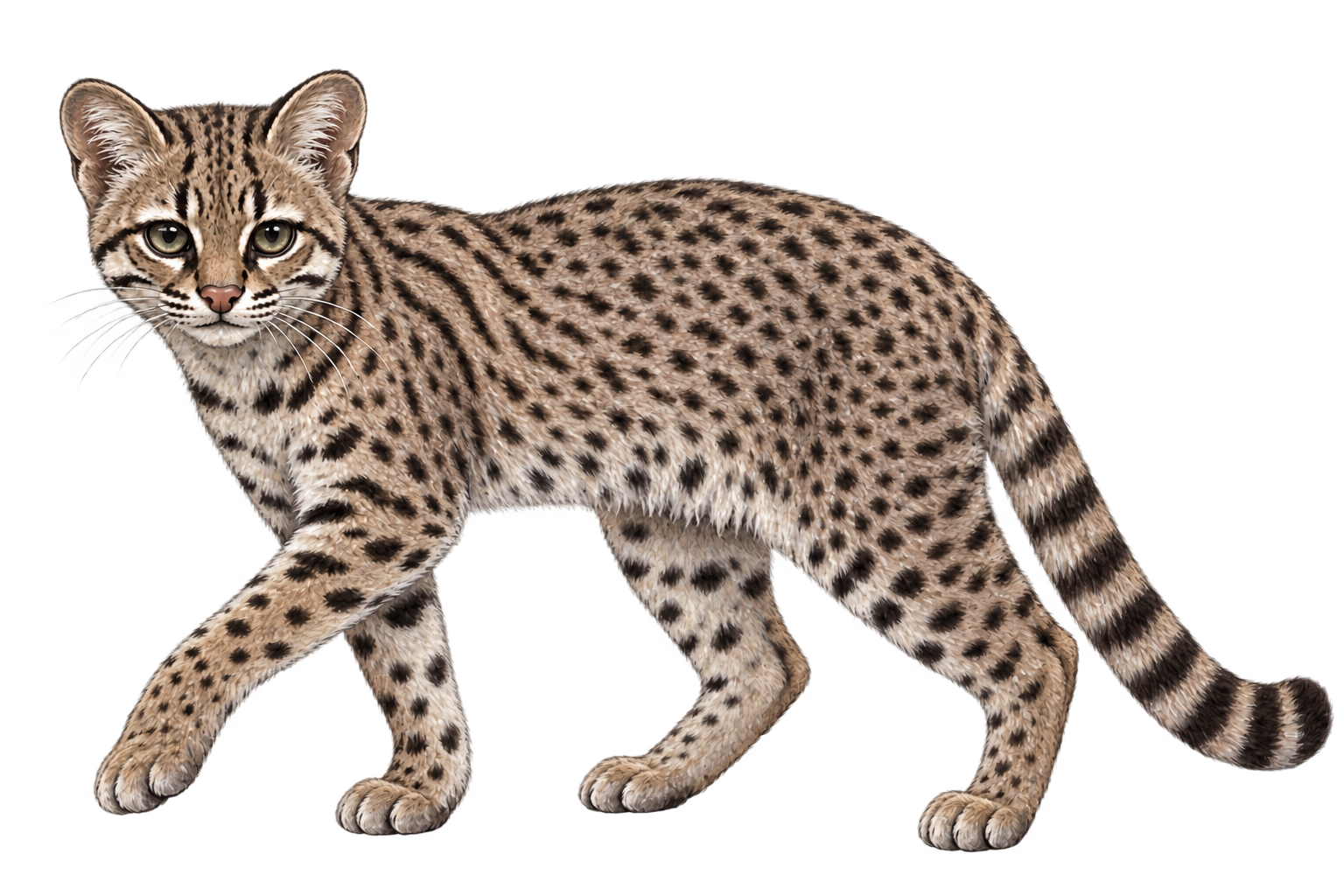
Geoffroy's Cat

Leopardus geoffroyi

About This Species

It has a yellowish to grayish coat, with numerous black spots, in moles forms, parallel lines on the head and nape, and several incomplete rings on the tail. Being common the "melanic" individuals, completely black.

Physical Characteristics

Body Length

60 cm approx.

Weight

usually between 4 and 5 kg, although it can reach 8 kg

Habitat

Frequents mountains but is also found in grasslands

Geoffroy's Cat

Behavior

Mainly crepuscular and nocturnal habits

Conservation Status

Least Concern (LC)

Other Names

Gato montés

Geoffroy's Cat Gallery

Margay

Leopardus wiedii

About This Species

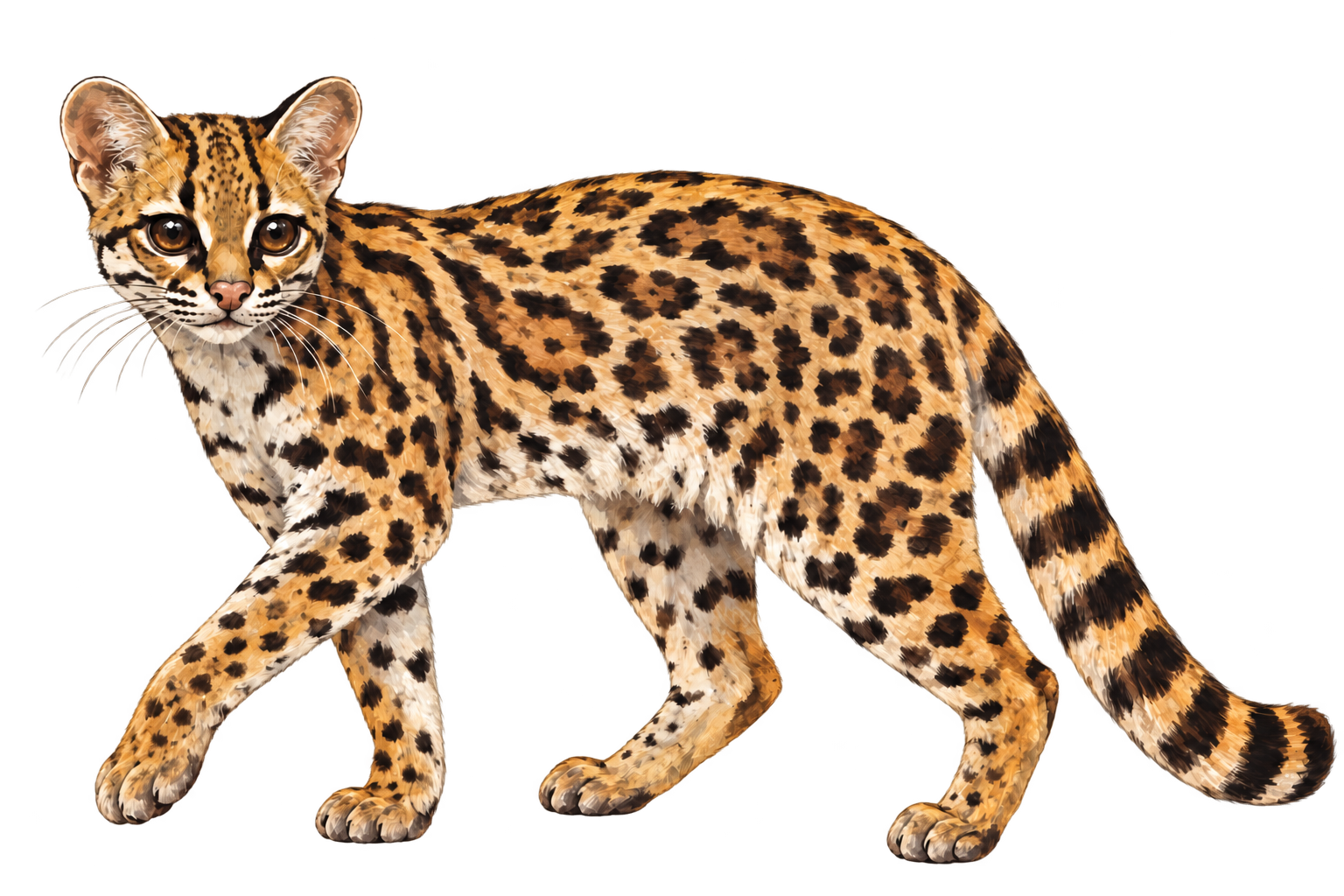
Large eyes and a very long tail (can measure more than 70% of the length of the head and body). These are characteristics of their adaptation to tree life. The background color of the Margay is more yellowish, with spots that form ocellis with black edges and brownish or brown centers, more or less lined on the back and sides.

Physical Characteristics

Body Length

40 to 60 cm

Weight

2 to 3 kg

Habitat

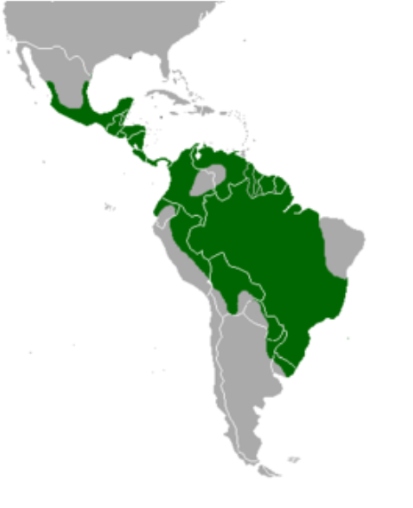
This small wild cat is highly adaptable and can be found in various types of ecosystems, provided that there is dense vegetation and sufficient tree cover

Margay

Behavior

Nocturnal activity pattern

Conservation Status

Near threatened (NT)

Other Names

Yaguatirica Gato pintado

Margay Gallery

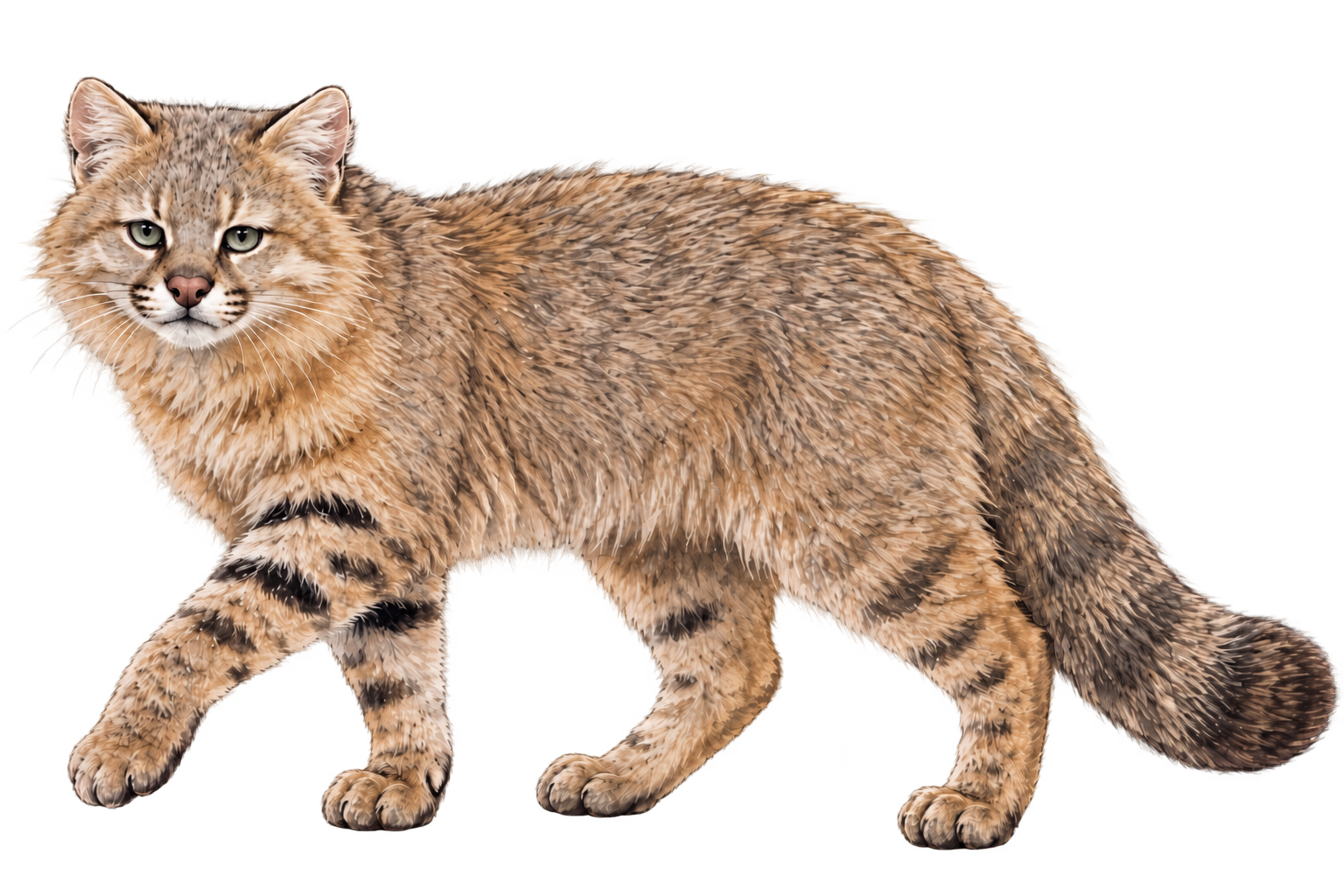
Pampas cat

Leopardus munoai

About This Species

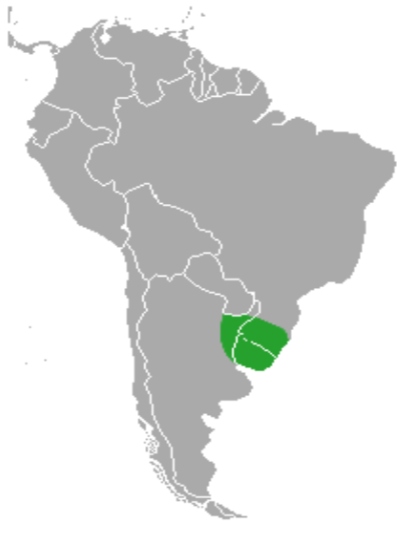
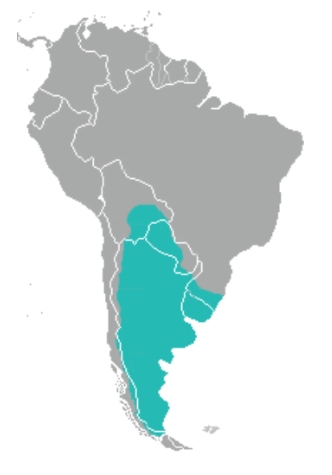
Leopardus munoai is a small feline endemic to the Uruguayan Savanna ecoregion, where it inhabits natural grasslands, tall prairies, and marsh edges in Uruguay, southern Rio Grande do Sul (Brazil), and northeastern Argentina (especially Corrientes). It has long brownish-gray fur with almost no spots, dark bands on the legs, and a black-tipped tail. It is considered one of the most threatened felines in the region, heavily affected by the loss and fragmentation of natural grasslands.

Physical Characteristics

Body Length

50 to 70 cm

Weight

3 to 7 kg

Habitat

Frequent open habitats of low altitude, such as dense wet savannahs and high grasslands, edges of batheds and dikes, raked xerophilous forests, shrubs, etc.

Pampas cat

Behavior

Mostly nocturnal or crepuscular

Conservation Status

Critically Endangered (CR)

Other Names

Gato de pajonal Gato de muñoa

Pampas cat Gallery